
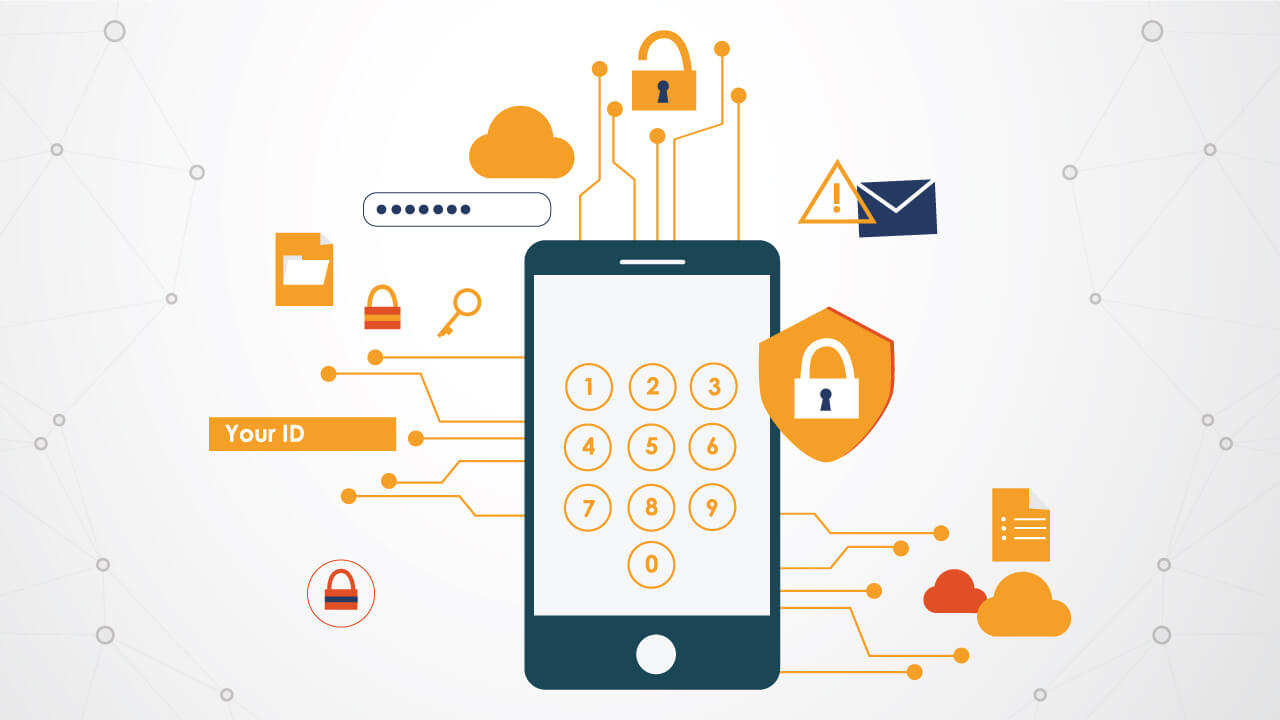
Let’s suppose you are working as an application security manager or app developer in an organization, you must have faced mobile app security challenges such as data theft, phishing attacks, malware, insecure and open network, and vulnerabilities in authentication and authorization processes. Taking advantage of an insecure database, the hackers easily intercept a mobile device’s operating system and reach the network system. Weak passwords and defective authentication mechanisms allow hacktivists to gain unauthorized access to company or individual credentials, email IDs, and websites. Server vulnerabilities such as unprotected Wi-Fi networks, proxy servers, and weaknesses in APIs enable third-party or illegal entities to access the server and get involved with device hijacking and illicit data transmission. Moreover, an incomplete HTTPS connection, certificate pinning, and improper data caching make mobile devices more vulnerable to data breaches and verification and authorization issues. Smart hackers who have technical expertise identify security vulnerabilities and pass through the standard identification processes and data security systems. Unsafe networks and flaws in security protocols lead to mobile device exploitation.
The potential risks of cybersecurity threats in mobile apps have significantly increased over the past few years. Security Boulevard Report 2025 states that cybercrime has become a top risk for companies in 2025. The app attacks are reported to have upsurged by 83% in 2025. Statista Report, 2025, elaborates that the global cost of cybercrime is likely to reach $10.5 trillion annually in the current year. It is expected to reach $13.82 trillion by 2028. Different forms of cybercrime, including Malware, ransomware, spyware, social engineering, and insider breaches, have frequently risen. Morefield’s Cybersecurity 2025 Analysis further clarifies that over 30,000 new vulnerabilities are disclosed. The cyber threats have now amplified from targeting supercomputers and networks to various mobile devices and smartphones. The number of cyber criminals using filched credentials has increased to 71%. Approximately 40,000 social security numbers are disclosed during ransomware attacks in the ongoing year. Consequently, these evolving cyber threats with high frequency have dominated the cybersecurity landscape. Realizing the urgent need for enhanced security measures implies that mobile application security implements a rigorous security framework along with mobile application security testing to detect security vulnerabilities in iOS, Android, and other devices and networks.
As more mobile applications are susceptible to malware that causes data integrity and privacy issues, new developers and startups are required to know the elevated risk of cybersecurity hacking and phishing attacks. Reading this article helps novice developers learn tactics to build secure apps. The informative read helps startups and solo app developers to know the key reasons that have surge in cyber threats in mobile applications. It includes insecure APIs, weak authentication mechanisms and encryption, malicious code, and jailbreaking.
Moreover, novice developers learn about implementing detection and prevention strategies that strengthen the data privacy framework. Such as amalgamating security features into the initial design and infrastructure of the application. Threat modeling and secure coding practices prevent potential threats and vulnerabilities that might occur during the development process. Employing strong authentication, access control, improving input validation and sanitization, and verifying the server’s certificate protects systems and networks from unauthorized access and data breaches. Moreover, the article allows mobile development companies and startups to adhere to new regulations, GDPR, CCPA, and updated 2025 privacy laws. Failing to comply with these stringent requirements causes legal action, such as paying heavy fines, financial and reputational damage, and operational disruptions.
Common Mobile App Security Threats
Data Leakage Through Insecure APIs
One of the growing security vulnerabilities for mobile app development services is API security breaches. Data breaches occur due to defects in API code and API designs that weaken authentication. An insecure endpoint and misconfiguration of cloud services enable hackers to gain unauthorized access and manipulate data. If encryption protocols have become obsolete, it mitigates the authentication functions. APIs without authentic credentials and improper key management fail to execute strict access restrictions. As a result, cyber attackers easily intercept API domain resources and perform API data leakage.
Poor Authentication Mechanisms
Threat agents can easily exploit the authentication system through mobile malware. They submit service requests to the mobile app’s backend server, thereby avoiding direct interaction with the app. As the attacker bypasses the security mechanisms and breaks authentication, they attempt to access the app. Authentication vulnerabilities make it easier for hackers to verify the user ID and credentials and validate device authentication to manipulate the security network. Cyber attackers employ phishing, credential stuffing, and session hijacking to search the passwords and encrypted codes to hack devices. SQL injection and cross-site scripting (XSS) cause a data breach.
Weak Encryption or no Encryption
Maintaining data privacy and network protection remains the biggest challenge for Android App development. Inadequate data encryption or the absence of encryption in open and interconnected systems, networks, and mobile devices poses a high risk of data manipulation and security of the device. Improper encryption involving default keys and incomplete HTTPS makes interception easier. The malicious actors bypass encryption and disable security and monitoring networks to perform malicious activities such as data tampering. The hackers, while transmitting data over networks, unlawfully modify or delete data. Hence, encryption flaws compromise sensitive data, making it vulnerable to interception and data tampering.
Malicious Code Injections
Code injection attacks have emerged as a crucial cybersecurity hazard for app development companies. Improper code generation allows attackers to take advantage of invalid input and inject malicious, arbitrary code into the target system. Insecure coding practices and not properly sanitized code allow third-party libraries or entities to exploit vulnerabilities in coding practices. Hence, poor output encoding enables invaders to gain control of the system, disrupt services, and steal complex information.
Jailbreaking and Reverse Engineering Risks
Jailbreaking allows users, hardware creators, and developers to hack their mobile device by changing the operating system. The developers and hackers remove software restrictions that are regulated by the iOS app development agency for iOS devices. Moreover, they create jailbreak codes to add new application hidden features and install new modifications that are not available in the App Store. Jailbreaking causes cyber-fraud, enabling fraudulent app development companies to access third-party app stores and install apps that lack security inspection on Apple’s App Store. The app developers and hackers bypass security mechanisms. As device security systems become unstable, they get unauthorized access to device memory and app usage to gather personal information.
Best Practices for Building a Secure Mobile App
Secure Code Practices
The design and development of innovative, high-performance mobile apps require application security engineers to employ a robust security model that detects and prevents potential threats and security flaws in mobile apps. The app development team at Appalphas has in-depth knowledge of security frameworks and coding practices of Android and iOS devices. The app developers write clear, logical, and complex codes that make it difficult for malicious actors to break down the compiled code and understand the device functionality. Identifying malicious code vulnerabilities and enhancing the security ecosystem requires network application engineers to implement obfuscation and encryption procedures. Using this code identification technique enables coding experts to alter the code into a difficult text that a third-party entity cannot decipher. Moreover, employing encryption standards, firewall encryption, and anti-data exfiltration (ADX) tools generates encrypted codes that won’t allow hackers to control and modify source code. Moreover, source code protection tools help developers protect the code from security vulnerabilities and identify data tampering during code compilation and execution. Appalphas ensures app verification by managing regular security updates on mobile devices. Keep the libraries and SDKs updated and modify the device components and functions to prevent malicious code injection, malware, data breach, and other vulnerabilities.
Data Encryption
Businesspeople and managers prefer storing significant data on mobile devices. It increases the risk of a data breach. If user ID, credentials, email, and other user data are leaked, it poses the danger of a device hack. An app security team adopts rigorous security practices to protect the applications from cyber threats. The experts help companies to introduce end-to-end encryption (E2EE) in mobile networks that enable only the sender and recipient to read and comprehend the code. For robust data protection on devices, servers, and in databases, the app developers implement symmetric encryption with a 256-bit key that ensures that the confidential data is securely stored and transferred within the application. To ensure seamless transmission of data during transits, the security testing team employs SSL/TLS protocols to encrypt the communication channel. Furthermore, performing vulnerability assessment and management, improved privacy and encryption systems ensure data privacy, along with addressing and fixing security weaknesses in applications.
Secure Authentication
Another network security measure implemented by Android App development services is secure authentication. It involves the app developers to employ a single, unique, and strong password or use multi-factor authentication that protects the device against attackers who attempt to hack the application. Generating one-time codes and biometric authentication, such as fingerprints, facial, and object scanning, significantly verifies the user ID and prevents identity theft. Enhancing the authentication of a mobile application implies that the application test specialist employs the OAuth 2.0 framework. Using this mechanism, the users grant permission to third-party applications to access their resources without sharing their credentials. OpenID Connect is developed on OAuth 2.0, which adds an authentication layer that helps in validating the user ID and credentials.
Use Secure APIs
If you intend to design and develop a rich-featured mobile app, you are required to improve APIs or servers to avoid vulnerable attacks. If APIs are not secured, they are easily targeted with DoS attacks. The weakened device system lets cyber attackers access the resources and gain exposure to complex data.
Adopting strong API security strategies can help mitigate potential security risks. It implies that API developers apply rate limiting and validate and authenticate API requests, which removes additional requests. Using API gateways with security layers is another security practice that serves as a single, manageable entry point to manage all API requests. Monitoring API traffic helps in error detection and averts unauthorized actions. Beyond authentication, API gateways provide multiple layers of security, such as authorization, encryption, and monitoring, and authenticate incoming requests. API request validation secures backend services by blocking defective requests. Hence, secure API Integration ensures stringent access controls that prevent interception and data tampering.
Minimize Permissions
The majority of cyberattacks in enterprises occur when a large number of users attempt to access the application. Weaknesses in an application’s code, weak passwords, obsolete software, or infrastructure flaws in the application make it easier for attackers to exploit the application. To prevent excessive permissions, the app development team at Appalphas helps organizations to enhance security by offering access rights to a minimum number of end-users to browse the app to perform their tasks. The principle of least privilege requires the request for only the necessary permissions. Reduced permissions help the app development companies to perform regular permission audits. Conducting periodical audits identifies discrepancies, such as analyzing permissions to determine whether the provided access is appropriate or illicit. Optimize resource utilization, prevent the attacker from stealing credential information, and thus help prevent the risk of data breaches and other security incidents.
App Store Compliance &Global and Regional Privacy Laws
Google Play and Apple App Store Security Guidelines
Android App development services remain adherent to the Google Play Store submission policy. The Google Play Store is considered an open ecosystem for Android app developers to get their app to market quickly on the Google Play Store. The app marketers are required to review and implement guidelines covering various aspects such as content guidelines, privacy and data security, copyright laws, and distribution strategy. The Android and iOS app developers are required to open a developer account on the Play Store before publishing an app on the Google Play Store. To create the account on Google Play, the developers have to pay a one-time registration fee such as $25. For registration on the App Store, Apple Developer pays an annual fee of $99. Creating a corporate account on the Play Store implies that the app marketing teams provide authentic business data that verifies the company’s validity and authority to publish the apps. Implementing the content guidelines, the app stores teams create applicable and attractive keywords that improve search results. The keywords used on the App Store and Google Play boost the app’s rankings and visibility. The metadata description on Google Play, consisting of 80 characters, visibly appears on the app page. A concise app title and subtitle of about 30 characters appear in the search results. The subtitle on the App Store and brief description on Google Play describe the app’s key features and benefits for users.
To optimize app marketing, the app developers create 10 screenshots for the App Store. The three screenshots explain the app’s essential features. The screenshots include a catchy text, logos, and symbols that enhance brand visibility on the App Store. Google Play allows Android developers to generate around 8 screenshots; however, these screenshots are hidden in the app store listing. They are displayed during branded searches, having the app icon, title, description, and ratings.
The Apple Ads placements pop up on the front page of the App Store. The ads appear as consumers use relevant keywords and organic listings. Google app ads appear on the homepage as app users browse the Play Store pages to search for the required application. In-app events allow potential customers learn about the upcoming brand, its essential features, brand stories, and launching activities on the app product page. Moreover, the online buyers come to know about various deals, offers, and other major updates that incentivize customers to keep visiting the App Store and Google Play site to download new applications.
New Regulations (GDPR, CCPA, and Updated 2025 Privacy Laws)
The General Data Protection Regulation (GDPR)
Mobile app development services have developed rigorous and user-friendly privacy policies that have enhanced global privacy standards. The General Data Protection Regulation (GDPR) upholds certain privacy rights for EU member countries and other global states. The law ensures a transparent data collection and management system that enables organizations to employ a fair and transparent legal procedure to process user data, including names and email addresses, location information, gender, and biometric data. The data controllers are required to maintain accountability in data processing. Adopt strict security strategies such as using two-factor authentication to operate the account to ensure end-to-end data encryption. Moreover, the law streamlines personal data processing, allowing users to know the credible methods of data assimilation and let them know that data is collected for specified and legal purposes, and further help promote transparency by restraining the scope of data processing.
With the GDPR Act, users have data subject rights that provide users the right to access information regarding the processing of personal data. Employing opt-in or opt-out mechanisms for data collection and processing helps people to control their data. They have access to review and modify data or remove irrelevant data to establish data transparency. The Act permits organizations to engage a data protection officer (DPO) who efficiently handles personal data and ensures accuracy and fairness in data minimization and protection practices.
The evolution in GDPR allows EU member organizations and other companies to adhere to the GDPR principles. The data privacy principle prohibits the transfer of personal data outside the European Economic Area (EEA). In case, data protection officer identifies unauthorized transfer of user data across international borders, the scammers are liable to face stringent penalties for non-compliance. Thus, organizations must stay informed about new regulations to maintain privacy and security standards in data management.
The California Consumer Privacy Act (CCPA)
The California Consumer Privacy Act (CCPA), approved in 2018 and promulgated in 2020, emphasizes data privacy for California residents. The California Consumer Privacy Act (CCPA) gives California consumers the right to control data privacy to prevent data breaches. It includes avoiding selling personal information to third-party companies. CCPA allows users to know about their rights regarding data minimization. The users have the right to access comprehensive personal information about consumers’ CCPA rights regarding their right to know the purpose of gathering data, and to have access to delete irrelevant data. The companies possess the right to deny the sale of their data to a third-party company. The individuals also exercise their rights in relocating or modifying data. It helps them identify unauthorized access and data theft cases. Additionally, they have the authority to prosecute the companies involved in a data breach or sell their personal information unlawfully.
CCPA, like other global laws, provides privacy dimensions to organizations to review their legal obligations and remain adherent to CCPA regulations. The California attorney general has the authority to charge the business for violating the CCPA laws. If a business is found guilty of deleting personal information without implementing the copyright laws or getting indulged with unauthorized sale or sharing of personal information to an unauthorized party. In such circumstances, the criminals are compelled to strict civil penalties. For unintentional violations, they have to pay up to $2,500 per violation and $7,500 for committing intentional violations.
CCPA, a stringent privacy regulation in the US, has now become a game-changer. It is the first US state data privacy law that facilitates companies to implement technical tools to streamline data minimization and data security practices. Employing technical tools assists corporate firms to protect and store consumer data using cloud technology, sound cybersecurity strategy, and other digital tools to prevent the ongoing risk of cyber threats.
Regular Security Testing & Monitoring
Another security initiative employed by app testing teams at Appalphas is employing dynamic application security testing system that evaluates the risk of security vulnerabilities in the application. The significance of security testing cannot be overlooked as organizations continue to face potential security threats. Performing rigorous testing procedures involves performing a wide range of software testing, such as vulnerability scanning. With automated testing tools, the testing experts detect potential security flaws in the app.
To exploit various malicious activities by unauthorized access implies that test engineers to conduct penetration testing. Pen testing involves a simulated invasion performed by mock hackers on a computer system or mobile device to evaluate security weaknesses. Security professionals impersonating the actions of malicious attackers make deliberate attempts to hack mobile applications. A simulated real-world attack identifies the loopholes in the application, including weak authentication and authorization flaws, and unencrypted network traffic. Functional and usability testing authenticates that all functions of the app, including the app’s interface and other navigational buttons, have seamless functionality.
Security auditing allows professionals to perform a comprehensive evaluation of the application security policies, procedures, design, development, and operational processes. Security audits analyze the application’s code, configurations, and architecture and identify infrastructure flaws that increase security risks. Performing regular audits implies that development and testing teams constantly monitor the application for cyber threats. Integrating secure CI/CD pipelines throughout the app development cycle improves security controls. CI/CD security practices implement secure coding standards that reduce vulnerabilities in the codebase. Moreover, the developers use different testing tools such as Firebase App Check, OWASP MASVS, Static Application Security Testing (SAST), and Dynamic Application Security Testing (DAST) to inspect defects in source code during application design and development. Thus, an application security expert employs various security tools and software to alleviate vulnerabilities in the applications and perform comprehensive security assessments to strengthen the security system and robust access control.
Additional Privacy-Centric Features in 2025
In-app Privacy Settings for Users
In-app privacy settings authorize users to make specific decisions about data sharing. Privacy settings analyze data collection sources and ensure that the information shared is authentic and legal. Moreover, it evaluates how data is used, such as information shared with different networks, third parties, or running on default settings. In-app privacy enables users to manage data privacy and control across websites and social media platforms. Employing strong credentials, passwords, and verification codes improves transparency and control over data and ensures seamless privacy across different operational networks.
Delete My Data Feature for Compliance
Let’s suppose a user finds that an organization collects personal data through unauthentic sources or uses data for illegal purposes. In such circumstances, Apple provides users with the convenience to manage and control their data. Implementing the feature ‘Right to erasure’ allows individuals to make a request verbally or in writing to the organizations to delete the accumulated user data held by them. The data and privacy page feature allows companies to stay compliant with data deletion policies and ensure data privacy and security of sensitive user data. Hence, complying with legal obligations prevents companies from facing heavy fines and legal consequences.
Opt-in and Opt-out and App tracking transparency (ATT) Feature
An iOS app development agency employs opt-in and opt-out features for improving user privacy and tracking transparent data processing. App Tracking Transparency (ATT) allows iOS app users to send a permission request to share their data. ATT, Apple’s user privacy framework, pops up on the front page of the App Store. As developers and marketers get access to user data, they can easily target specific audiences, optimize monetization strategies, and run hyper-targeted ad campaigns on App stores. Thus, app tracking transparency keeps users aware of tracking status and enhances data privacy and security.
Minimal Data Collection Design
Implementing robust security measures, such as data minimization, enables the application data collection team to determine data requirements. It includes gathering, organizing, and managing essential information required for a specific purpose. Following this feature, the app development team refrains from collecting unorganized and cluttered personal data. Employing a data minimization process ensures data accuracy and transparency. Reduces the risks of data breaches and other inconsistencies associated with data storage and management.
Recapitulate
Robust security features integrated in the apps significantly help in minimizing vulnerabilities in coding practices, identifying flaws in authentication and authorization mechanisms, and weak data encryption enables unauthorized entities to gain easy access to the system network. The hackers bypass the security system by stealing user IDs, credentials, and passwords and hacking the application. They disrupt the network function by injecting malicious code into a website or an application. While taking control of the system, they manipulate data and commit other frauds, such as data breaches and leaks. Since data privacy issues and cybersecurity threats have risen, mobile app development companies have designed advanced security settings and features that help users manage and control their data. For instance, location data privacy helps users determine their estimated location using different networks. The App Tracking Transparency feature tracks an individual’s activity across other apps and networks. Data minimization enables organizations to collect the minimum personal data as required for a significant purpose, while removing irrelevant data. The other security initiative employed by app testing teams is using rigorous application security testing that identifies vulnerabilities exploited by external attackers. Static application security testing evaluates the source code to identify potential vulnerabilities in the application. Dynamic application security testing tools test the app by simulating attacks to identify specific weaknesses in mobile applications. Automating security testing, implementing a strong password, and employing two-factor authentication reduce the actions of potential attackers by preventing data theft and other hacking activities. To further prevent security breaches at a global level, businesses stay compliant with global data privacy laws such as the European Union’s General Data Protection Regulation (GDPR) and, California Consumer Privacy Act. Thus, app development companies should keep abreast of the latest security threats, vulnerabilities, and employ modern application security tools and software that identify and mitigate vulnerabilities and ensure end-to-end data encryption and privacy in data storage and management.